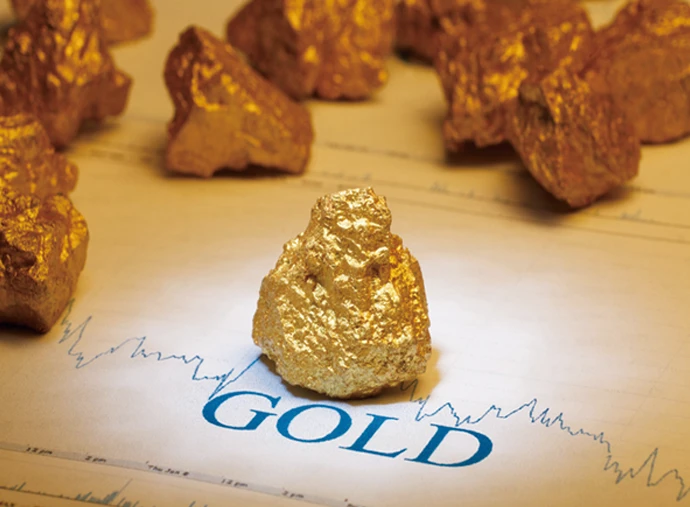
bio hydrometallurgy
Understanding Bio Hydrometallurgy: A Quiet Revolution in Metal Extraction In today’s resource-driven world, extracting metals sustainably isn’t just a nice-to-have — it’s essential. Bio hydrometallurgy is stepping into the spotlight as a game-changing technique, quietly transforming how we harvest metals from ores. It blends biology and chemistry in fascinating ways, harnessing microbes to pull metals out of rocks more cleanly than traditional methods. Why does it matter globally? Because metals like copper, gold, and uranium are the backbone of industrial growth, green technologies, and infrastructure. Getting these resources with minimal environmental footprint is no small feat — and bio hydrometallurgy offers a promising path. Understanding this field not only helps mining industries make smarter choices but also addresses critical international goals around sustainability and reduced pollution. Why Bio Hydrometallurgy Is Gaining Global Importance Mining remains a cornerstone for many economies, but with it comes substantial environmental challenges: toxic waste dumps, acid mine drainage, and high energy consumption. According to the United Nations Environment Programme , mining contributes significantly to water contamination globally. This is where bio hydrometallurgy enters as a tech-savvy ally. Data from the World Bank highlights that mineral extraction will continue to rise due to increasing demand for electronics and green energy solutions. We face pressing questions: how can we extract metals without poisoning ecosystems? How do we reduce greenhouse gas emissions tied to mining? In these areas, bio hydrometallurgy shows great promise. Bio hydrometallurgy tackles the challenge by replacing harsh chemicals and high heat with natural bacteria that scrape metals out at a molecular level — almost surgical, if you will: Lower energy use than smelting or roasting Less harmful waste production Applicable to low-grade or complex ores that traditional methods struggle with Mini takeaway: Bio hydrometallurgy isn’t just a lab curiosity; it’s emerging as a practical response to worldwide mining dilemmas rooted in sustainability and efficiency. What Exactly Is Bio Hydrometallurgy? Put simply, bio hydrometallurgy involves using living organisms — usually bacteria — to extract metals from ores through aqueous chemistry processes. It’s a subset of hydrometallurgy (metal extraction via liquid solvents) enhanced by leveraging microbial life forms. How does that work? Certain microbes thrive by oxidizing sulfide minerals, transforming metals into soluble forms easily recovered from solution. This bio-assisted leaching installs nature’s own tiny chemical factories into mining operations. It fascinates me how these organisms, mostly archaea and bacteria like Acidithiobacillus ferrooxidans , actually accelerate metal extraction without the environmental baggage of conventional approaches. Industrially, it's a perfect fit for modern demands. For example, recovering gold from refractory ores or treating mine tailings to reclaim value that was unthinkable a decade ago. Plus, this biological approach aligns with pressing humanitarian needs — cleaner mining means safer water downstream for communities and less habitat destruction. Core Components of Bio Hydrometallurgy 1. Microbial Metabolism The infectious little guys — bacteria like Leptospirillum or Thiobacillus — do the heavy lifting. Their metabolism converts solid metal sulfides into soluble sulfates or metal ions, which can then be recovered. 2. Solution Chemistry The leaching environment must maintain optimal pH, temperature, and oxygen levels for microbes to thrive. This chemical balance is surprisingly delicate but critical. 3. Ore Mineralogy The type of ore heavily influences success. Sulfide-rich ores respond best, whereas oxidized or carbonate-rich ores may require different tactics or pre-treatment. 4. Reactor or Heap Design Whether it’s stirred tanks or heaps of crushed ore aerated naturally, physical systems affect how effectively microbes contact the minerals. 5. Metal Recovery Systems Once metals are dissolved, traditional precipitation or solvent extraction methods recover the elements economically. In practical terms, the interplay of these components defines the technology’s scalability, efficiency, and cost structure. Many engineers say that even slight shifts in microbial activity or solution chemistry can make or break a project. Mini takeaway: Bio hydrometallurgy operates at a fascinating intersection of biology, chemistry, geology, and engineering — a true multidisciplinary dance. Global Applications and Real-World Use Cases This bio-based technology isn’t just theoretical. It’s already powering commercial operations across the globe. Chile and Peru: Leaders in copper production, these countries use bioleaching heaps extensively to extract copper from low-grade ores — a cheaper, greener alternative to smelting. Australia: Bio hydrometallurgical treatments recover uranium and gold, often from tailings where traditional recovery was impossible. Africa: Small-scale mining communities employ simple bioleaching techniques for gold recovery, reducing chemical use and environmental harm. Post-Disaster Relief and Environmental Cleanup: The potential extends to treating contaminated soils and recovering metals from electronic waste, which is crucial in reducing toxic leachates. Oddly enough, the technology scales both ways — from massive industrial heaps covering hectares, down to portable kits for remote zones. It sort of feels like “green mining” found its mojo. Bio Hydrometallurgy Product Specifications Specification Typical Value Units Optimal pH Range 1.5 – 3.0 pH units Temperature Range 30 – 45 °C Typical Copper Recovery 80 – 90 % Leaching Time 20 – 60 days Energy Consumption ~50 kWh per ton of ore How Do Leading Vendors Compare? Vendor Primary Focus Geo Presence Innovation Highlights BioMet Solutions Copper & Gold recovery South America, Australia Custom microbial consortia EcoLeach Technologies Tailings retreatment Africa, Asia Low-cost heap aeration systems GreenOre Bio Refractory ores & e-waste North America, Europe Bioleaching + AI monitoring Advantages and the Long-Term Value of Bio Hydrometallurgy There’s a tangible sense of hope tied to bio hydrometallurgy. Environmentally, it’s far less destructive. The carbon footprint drastically shrinks compared to roasting sulfide ores, which requires vast amounts of fuel. Plus, there’s improved safety for local communities — fewer toxic emissions and less water pollution means better public health outcomes. Economically, it unlocks resources otherwise discarded as waste or too expensive to treat. Many mine operators find their margins improve when switching to bioleaching for low-grade deposits. Also, it offers a reliably stable process with fewer mechanical breakdowns points, though some operators do mention microbial management remains a skill intensive task. On the emotional side, the concept of working with natural organisms — rather than fighting against nature — appeals to a growing conscience within the industry. You can almost feel the innovation spirit buzzing through mining boardrooms worldwide. Looking Ahead: Future Trends and Innovations The future is bio—and digital. As bio hydrometallurgy matures, expect AI-driven monitoring systems to optimize microbial health and leaching rates in real time. Also, synthetic biology holds promise for engineering microbes tailored to specific ores or extreme conditions. Green energy integration — powering heaps with solar or wind — can further curb carbon emissions. The concept of circular mining, where waste becomes a feedstock for metal recovery, is gaining momentum, amplified by bioleaching’s capabilities. Policy-wise, stricter environmental rules globally encourage adoption. The industry will likely see collaboration between microbiologists, engineers, and data scientists more than ever before. Challenges and How Industry Experts Are Tackling Them Of course, bio hydrometallurgy isn’t a magic wand. It can be slow — sometimes months for complete leaching cycles. Microbial populations can be sensitive to fluctuations in ore chemistry or temperature. Plus, some ores remain notoriously difficult due to complex mineralogy. Innovations in reactor designs, combined with microbial management protocols and real-time monitoring, are mitigating these challenges. Plus, hybrid approaches that combine bioleaching with traditional methods help tackle refractory ores faster. Ultimately, it’s about balancing patience with performance — and industry leaders are keenly aware of this fine line. Frequently Asked Questions About Bio Hydrometallurgy What types of metals can bio hydrometallurgy recover effectively? Primarily copper, gold, zinc, and uranium, especially from sulfide rich ores. Some newer techniques also target nickel and cobalt, especially from tailings or low-grade deposits. How long does a typical bioleaching cycle take? Usually between 20 to 60 days, though this depends on ore type, microbial activity, and heap design. Longer cycles can mean better recovery but slower turnaround. Is bio hydrometallurgy environmentally safer than traditional smelting? Yes. It uses fewer harsh chemicals and emits less greenhouse gas. The process creates less solid and liquid wastes, helping protect local ecosystems. Can bio hydrometallurgy be scaled for small mines or remote operations? Definitely. Modular heap systems and portable reactors allow small miners or remote operations to benefit without huge upfront infrastructure. How do companies monitor and control the microbial activity? Modern sites use sensors for pH, temperature, oxygen, and metal concentrations to manage microbial conditions proactively, often supplemented by lab cultures to maintain active strains. Final Thoughts Bio hydrometallurgy represents a delicate but powerful convergence of biology, chemistry, and industrial pragmatism. Its global rise signals a shift toward greener, smarter metal extraction processes — a move we desperately need. Sure, it takes patience and technical finesse, but the rewards in sustainability and economic value are hard to ignore. If you want to know more about this fascinating field, or explore cutting-edge bio hydrometallurgy products, visit our website: https://www.lijiresin.com . The future of mining is quietly bubbling with microbes — and it’s worth paying attention. Mini takeaway: As the world pivots toward sustainability, bio hydrometallurgy isn’t just future tech — it’s happening now, shaping the way we responsibly unlock Earth’s hidden treasures. References Wikipedia: Biomining United Nations Environment Programme World Bank: Extractive Industries
-
 Strong R & D Capability And Experienced Technical Team
-
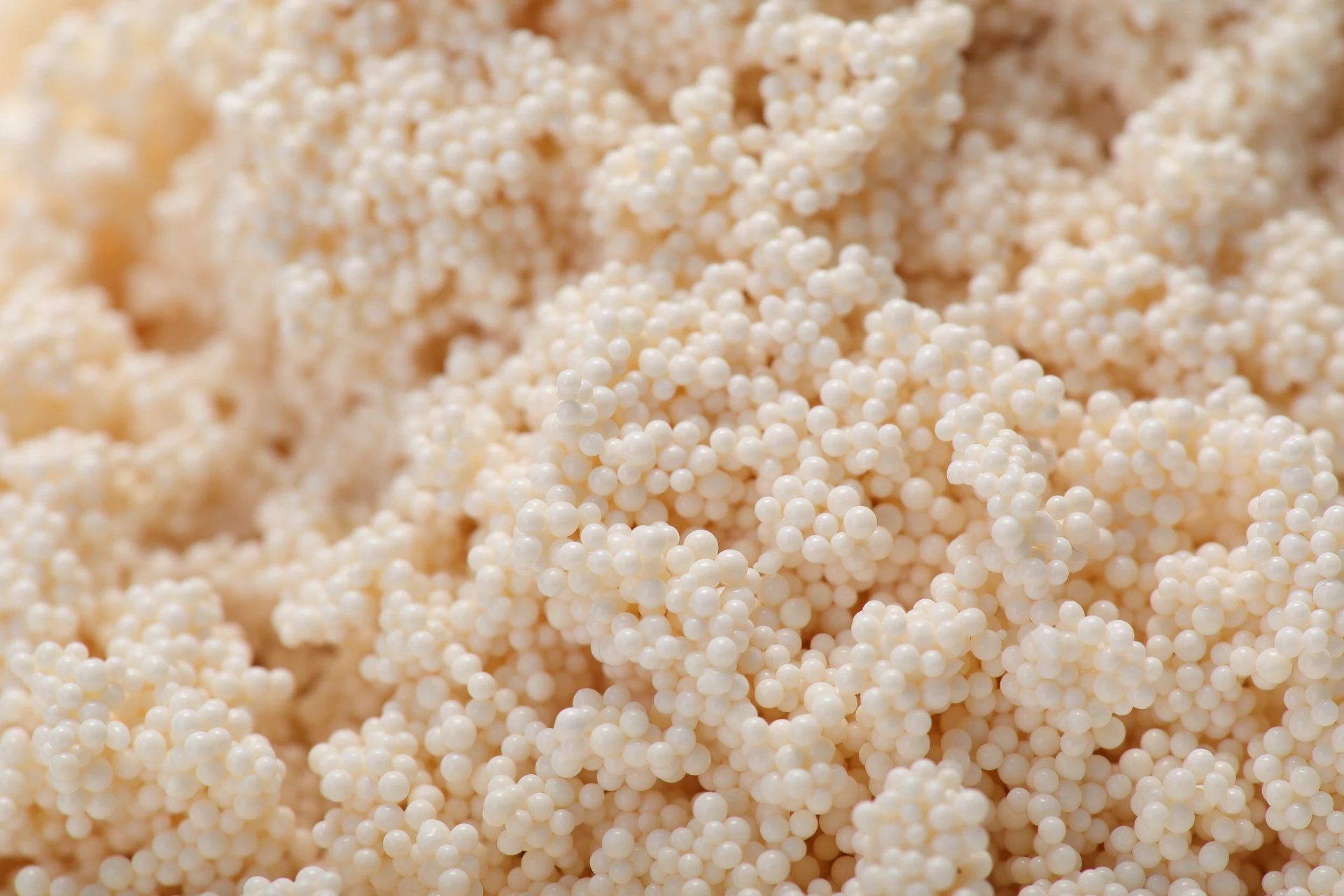
Provide Customers With Competitive And Differentiated Products